168.1.70 Router Login Guide With Configuration Steps

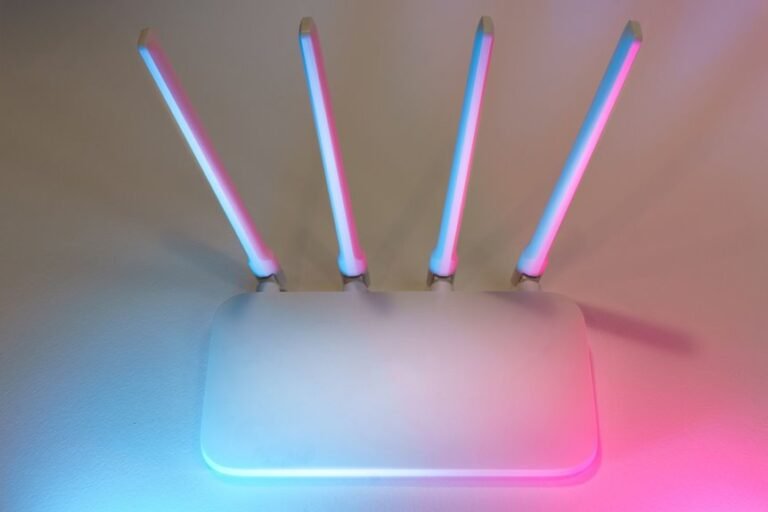
Access to the 168.1.70 admin panel requires a direct connection and accurate gateway identification. The procedure follows a precise sequence: login, then navigate to wireless settings to update the SSID and enable strong encryption; next, implement strict firewall rules and disable unused services. Changes must be saved, tested for connectivity and DNS stability, and documented for potential rollback. The methodical steps expose potential pitfalls that lurk in misconfigurations, inviting careful verification before proceeding to the next stage.
How to Access the 168.1.70 Admin Panel
To access the 168.1.70 admin panel, the user should connect a device to the router’s network and identify the gateway address. Once obtained, the browser navigates to the gateway URL, prompting credentials. Authentication confirms access to the admin interface, where ideas and potential topics are surveyed.
The process remains precise, methodical, and oriented toward freedom and control.
Change Wi‑Fi Name and Password Securely
Changing the SSID and password on the 168.1.70 router should be performed from the admin interface after authentication.
The process requires selecting the Wireless section, updating the SSID, and entering a strong passphrase.
Implement security bestpractices, enable WPA2/WPA3, and apply changes.
Schedule periodic password rotation and verify connectivity, logging the update for auditability.
Freedom through controlled configuration.
Harden Security and Firewall Settings
Harden Security and Firewall Settings focus on narrowing exposure and controlling traffic at the network perimeter. The procedure emphasizes strict rule sets, disable unnecessary services, and enable logging. A security audit should verify default credentials are replaced, ports restricted, and firmware updated. Attention to user privacy ensures minimized data exposure while maintaining essential access controls and transparent network governance.
Save, Test, and Troubleshoot the Connection
The process begins with saving the configuration changes, followed by validating connectivity and identifying any faults in the network path.
The procedure then tests throughput, latency, and DNS resolution, documenting results for audit.
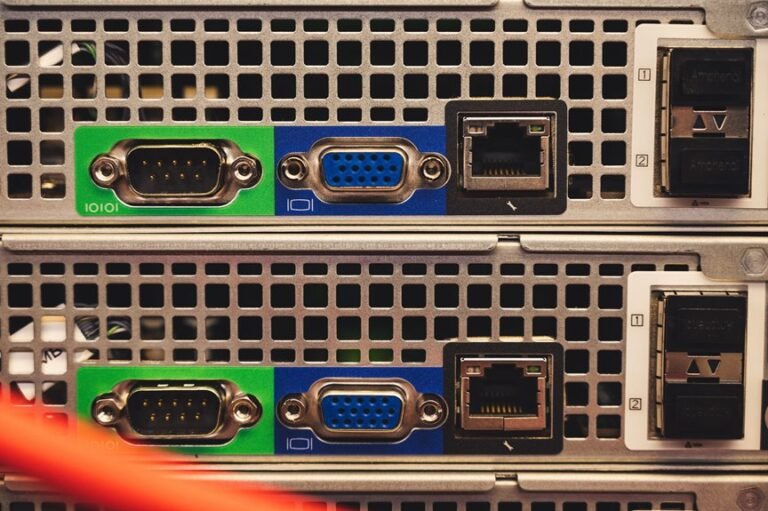
Troubleshooting targets misconfigurations, cabling, and firmware anomalies.
Consider an unrelated topic for perspective, while evaluating plausible speculative theory about intermittent drops, ensuring reproducible steps and rollback options.
Frequently Asked Questions
Can I Reset the Router Without Losing Configs?
A reset may erase configurations; a non-destructive approach exists. The methodical answer notes: perform a reset procedure only after verifying a backup strategy, then restore settings from backup to preserve configurations while preserving operational freedom.
How Do I Update the Router Firmware Manually?
The router should be updated via manual upgrade by downloading firmware from the vendor site, then uploading it through the web interface; ensure file integrity, maintain power, and verify post-update functionality to confirm a successful update.
What LEDS Indicate a Successful Login Attempt?
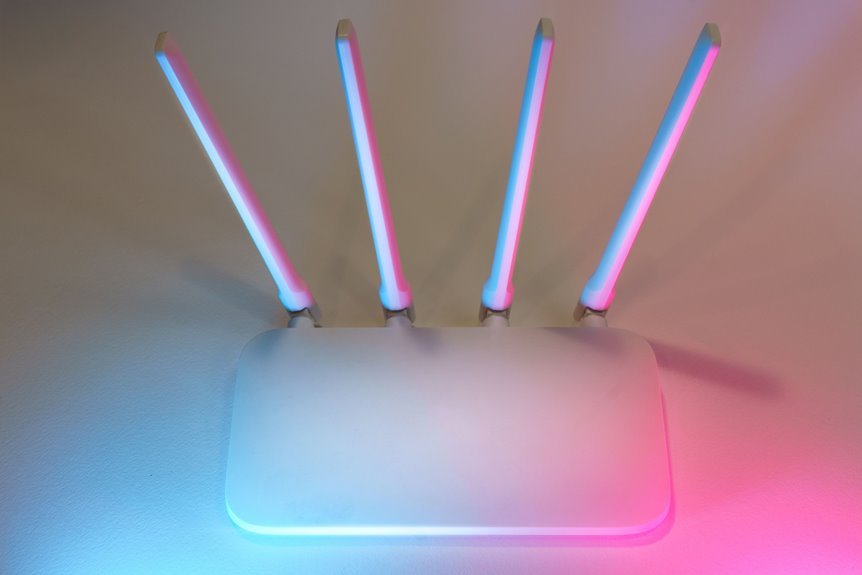
Typically, LEDs indicating a successful login vary by model, but common signs include a steady power or status LED and an authenticated, blinking or solid LAN/WiFi indicator; discuss these discussion ideas for router troubleshooting and user autonomy.
Can I Enable Guest Network Isolation in 168.1.70?
Yes, guest network isolation can be enabled. A practical anecdote: configurations are like locks and keys; with guest network, network isolation prevents guest devices from crossing into main LAN. The method yields controlled, isolated guest access.
Is There a Mobile App for Remote Management?
There is no dedicated mobile app for remote management of 168.1.70; remote analytics are none, irrelevant to other questions. The system relies on web interfaces, with no official mobile client, enabling minimal freedom through browser-based control.
Conclusion
To summarize, access the 168.1.70 admin panel by connecting a device to the router, locating the gateway, and logging in via http://168.1.70. Methodically adjust the SSID and strong passphrase under Wireless, enforce WPA2/WPA3, and tighten firewall rules while disabling unused services and enabling logs. Save changes, verify DNS and connectivity, and document results. If issues arise, implement a rollback plan. In a brisk, retro-futurist wink, even a dial-up mindset adapts.