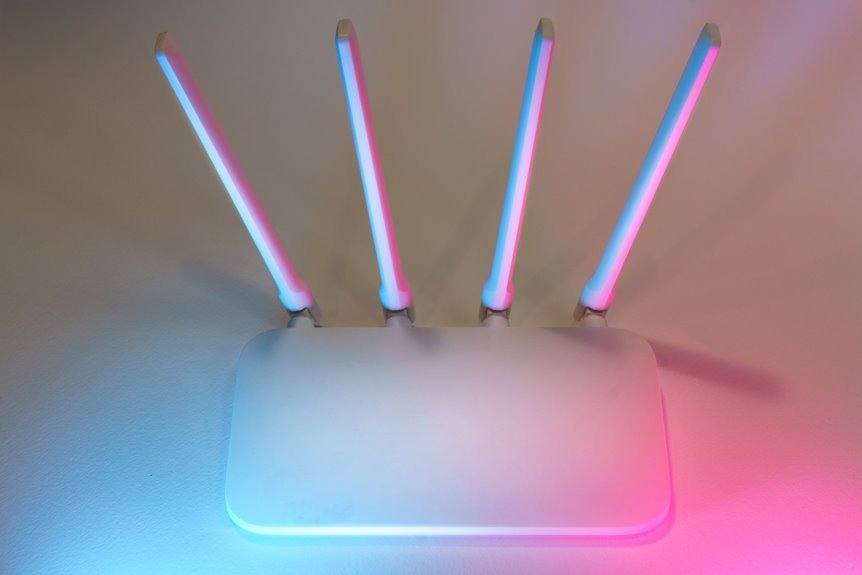
l68.100.1 Correct Router IP Format and Access Guide

The l68.100.1 router IP format guides how internal networks are anchored to a private gateway. Correcting the IP scheme ensures consistent device access and predictable routing. Verification steps confirm reachability via the matching private range, then tools like ping and traceroute map the path. Accessing the admin panel requires precise IP syntax and valid credentials, followed by secure configuration. A careful balance between security and usability remains essential, inviting further exploration of safe, standard post-login settings.
What Is the L68.100.1 Router IP Format and Why It Matters
The L68.100.1 router IP format represents a private-class IP address scheme used in internal networks to designate a gateway endpoint. It supports internal routing by preserving network naming conventions and simplifying device access.
This format often interacts with address translation, enabling external connectivity while maintaining isolation. Understanding the scheme clarifies topology, security boundaries, and scalable, freedom-friendly network design.
How to Verify Your Device Can Reach the Router at L68.100.1
Verifying reachability to the router at L68.100.1 begins by confirming that the device uses the same private IP range and gateway as the targeted router. Then perform a ping or traceroute to L68.100.1, observing response times. If responses persist, proceed with ip validation. Achieve reliable connectivity by eliminating subnet mismatches and gateway conflicts.
Step-by-Step: Access the Admin Panel Using the Correct IP Format
To access the admin panel, users must input the router’s IP in the correct format, ensuring a direct path to the login page. The procedure emphasizes exact address syntax, avoiding typos. Once reached, credentials permit configuration access. Awareness of privacy concerns is essential; apply minimum exposure. Monitor for firmware updates, ensuring security patches are applied without disrupting essential network operations.
Safe, Standard Router Settings to Configure After Login
Smart, standard post-login router settings prioritize security and reliability by establishing a baseline configuration that minimizes exposure while preserving essential connectivity. After login, the configuration emphasizes network security through strong admin credentials and disabling unnecessary services, ensures Internet connectivity remains stable, enforces firmware updates, and implements parental controls where appropriate, aligning with responsible administration and user freedom.
Frequently Asked Questions
Can I Use a VPN to Access the Router’s IP?
VPN access vs. direct LAN access is possible, but security concerns arise; a VPN can isolate traffic, yet router management may require local LAN access for initial setup, password security concerns persist regardless of remote connectivity.
What if the IP Format Changes After Firmware Updates?
IP format changes can occur; firmware impact may redirect or redefine access. The user remains liberated to verify device documentation, adjust bookmarks, and use dynamic discovery or backup configs to recover consistent router access despite updates.
How to Reset the Router if the IP Is Unreachable?
Like a lighthouse beam, the reset procedure clears configuration when the IP is unreachable. The device restores defaults; if needed, reconfigure. Firmware impact may alter interfaces. The procedure should be precise, concise, and suitable for an audience seeking freedom.
Will Changing the IP Affect Connected Devices Automatically?
Changing the IP may disrupt some connections temporarily; devices may experience latency effects until DHCP reassignment completes, after which new IPs are issued and traffic resumes normally for capable clients, contingent on lease timing and network configuration.
Is There a Mobile App for Easier IP Access?
A mobile app for easier ip access exists, providing quick configuration and status checks. It streamlines gateway management, but still requires correct subnet and authentication. The app enhances freedom by centralizing controls, while maintaining rigorous security and precision.
Conclusion
The network hummed like a quiet machine room, vents breathing cool air as the user logged in. A precise string of digits unlocked the gateway, revealing clean tabs and fixed menus. Each click mapped a predictable path through the firmware, bright like a well-lit schematic. After tightening security and updating firmware, the system stood calm and orderly, a fortress with gentle access. In that disciplined stillness, devices found reliable routes and owners found trustworthy control.