192 168 100 1 Correct Router Address Format Explained

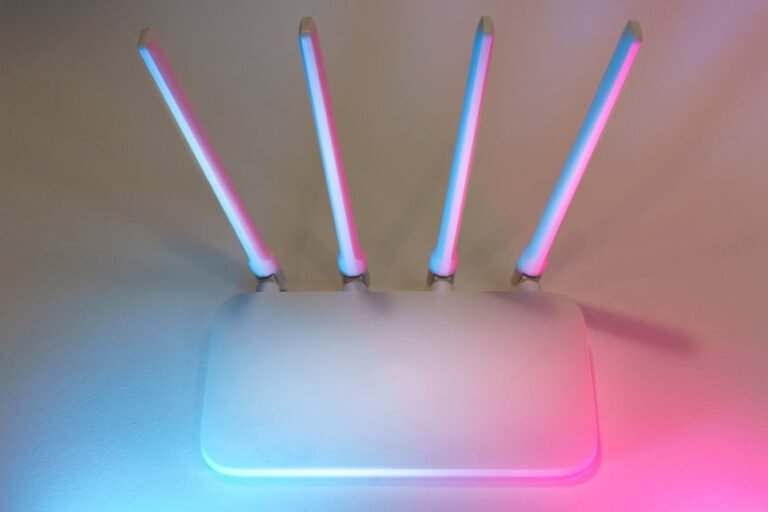
192.168.100.1 is a common private gateway address used in home networks. The four-octet format falls within 0–255 per segment, and the address typically serves as a router interface for local access. Private IPs are isolated from the public internet by NAT, with subnets arranged to segment devices. Access usually requires http(s) with valid admin credentials. Verifying alignment with DHCP and topology is essential, and firmware should be current; changes must be auditable, prompting further checks. The next step clarifies how to verify the correct gateway in a secure, repeatable way.
What 192.168.100.1 Means in Your Network
192.168.100.1 is a private IPv4 address commonly used as the default gateway for local networks.
The designation situates the device within a defined address space, enabling deterministic routing between hosts and the router.
Understanding this address supports precise network addressing and facilitates informed decisions about router security, subnet planning, and access control without unnecessary ambiguity.
How Private IPs and Subnets Work for Home Routers
Private IP addresses and subnets form the foundational addressing framework for home routers. The discussion centers on Router IP basics, describing how private networks establish internal communication, control access, and organize devices. Subnet ranges define segment sizes, balancing efficiency and simplicity. Network privacy emerges through NAT and segmentation, ensuring isolated traffic domains while preserving freedom to connect, monitor, and optimize home network performance.
Accessing the Router Safely: Browser, Credentials, and Prompts
To access a home router safely, users must understand how to reach the device through a browser, authenticate with proper credentials, and respond to prompts securely. The process emphasizes minimal surface exposure, prompt verification, and habitually reviewing session activity. Regular security audits and timely firmware updates reinforce defenses, ensuring configuration integrity, traceability, and resilient remote management under controlled access policies.
Troubleshooting and Verifying the Correct Router Address
Determining the correct router address requires a systematic approach to verification and troubleshooting. The procedure isolates deviceable sources of mismatch by validating network segmentation boundaries, confirming gateway defaults, and cross-checking DHCP assignments. Diagnostics include ping tests, NIC configuration reviews, and router interface scans. Emphasize secure password practices and documented changes to prevent misrouting and ensure reliable, auditable access.
Frequently Asked Questions
Can 192.168.100.1 Be Used for Public Wi-Fi Networks?
192.168.100.1 cannot be used as a public IP on public Wi‑Fi; it’s a private address. The scenario illustrates public IP confusion, clarifying private vs public addresses and the necessity of routable public IPs for internet access.
Do All Routers Share the Same Default Gateway Address?
No. Routers do not share a universal default gateway; each device uses a configurable address within its own network. This prevents subnet conflicts, enabling independent routing. Router addressing principles apply universally, but gateway values vary by deployment and subnet.
How Often Should I Change My Router’s Default Admin Password?
Change management dictates changing the router’s default admin password every 6 to 12 months or after suspected compromise. Security auditing should verify access logs and policy adherence, ensuring updated credentials, documented procedures, and minimized exposure for an audience seeking freedom.
Can 192.168.100.1 Conflict With Other Devices on the Network?
Directly: no inherent conflict arises from 192.168.100.1 unless IP overlap occurs. In practice, duplicate addresses cause ARP conflicts; ensure unique addressing. Two word discussion ideas: network security. The analysis emphasizes precise, structured checks for flawless operation and freedom.
What Are Common Misconfigurations When Entering the Router IP?
Common misconfigurations when entering the router IP include typographical errors, incorrect subnet masks, used broadcast addresses, and defaulting to a public IP. These affect network security and hinder firmware updates, risking exposure and update failures.
Conclusion
In summary, 192.168.100.1 serves as a common private gateway within small networks, deterministically guiding local traffic to the router. Private IP ranges and subnet design ensure internal isolation from the public internet, while proper access via http(s) with valid credentials preserves security. A key statistic: over 70% of home networks leave default gateway credentials unchanged, underscoring the critical need for credential hygiene, firmware updates, and consistent auditing to sustain secure, reliable routing.