168.l00.15 Correct IP Format and Router Login Tutorial

Understanding correct IP formats and secure router access is essential for reliable network management. The discussion centers on identifying valid IP addresses, confirming CIDR notation, and distinguishing public versus private ranges, all with an emphasis on auditable, minimal changes. The process begins with locating the default gateway from device documentation, then proceeds to verify formats before accessing the router’s web interface. A disciplined, stepwise login plan awaits closer examination to ensure secure, traceable administration.
What Is a Correct IP Format and Why It Matters
A correct IP format is a structured numeric address that uniquely identifies a device on a network, enabling reliable routing and communication.
The overview emphasizes Correct IP format basics and Subnet mask significance, outlining how proper addressing prevents conflicts and secures access.
It notes fixed classes give predictability, while encouraging freedom through configurable, auditable subnetting and ongoing validation in diverse, evolving environments.
Finding Your Router’s Default IP Address
Determining the router’s default IP address requires a disciplined, methodical approach: identify the device’s model and manufacturer, then consult official documentation or a trusted database to confirm the exact gateway.
In practice, technicians note: finding passwords and verifying router networks safeguard access while mapping gateway routes; once confirmed, administrative interfaces emerge, enabling secure configuration without exposing sensitive credentials or network topology.
How to Verify IP Formats and Subnet Details
To verify IP formats and subnet details, one must systematically confirm address types, subnet masks, and CIDR notation before applying network changes. The process ensures correct subnets and avoids misconfigurations, supporting deliberate network segmentation and controlled access. It emphasizes the public private distinction, minimizes exposure, and upholds security. Precise verification prevents unintended pathways and preserves freedom through thoughtful, principled routing decisions.
Step-by-Step Router Login Tutorial (Web Interface Access)
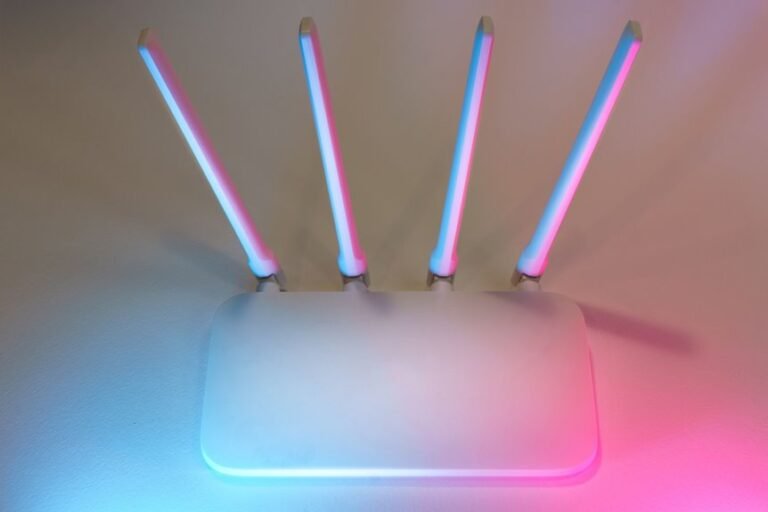
Accessing a router’s web interface is the next step after confirming valid IP formats and subnet details, as correct addressing underpins secure login and configuration access. The procedure emphasizes correct IP concepts and predictable router login steps. Access occurs via a browser, entering the device’s gateway IP, navigating security prompts, and applying minimal, documented changes. Precision, discipline, and freedom-minded caution guide each action.
Frequently Asked Questions
Can IP Format Affect Wi-Fi Speeds or Latency?
IP formatting itself does not directly alter network latency; misformatted IPs may cause connectivity failures or subnet conflicts, indirectly affecting performance. A precise configuration minimizes Network latency by ensuring stable routing, secure access, and consistent path selection for freedom-seeking users.
What to Do if DHCP Is Disabled on My Router?
When DHCP is disabled, one should manually assign an IP, gateway, and DNS. The narrator notes steps to troubleshoot DHCP servers, verify router settings, and secure the network, ensuring devices connect reliably and safely with precise, deliberate configuration.
How to Login if Default Credentials Were Changed Previously?
The procedure: reset credentials via physical reset or admin recovery, then access recovery options to regain router login. It resets profile, requires secure setup, and ensures Reset credentials is followed by immediate, stable access recovery without exposure.
Are There Differences Between IPV4 and IPV6 Formats?
Coincidence frames the truth: IPv4 vsIPv6 differ in address length, notation, and expansion capabilities. IP formatting for IPv4 remains dotted decimal; IPv6 uses colon-separated hexadecimal. A precise, security-conscious distinction aids free, informed configuration decisions.
Can Third-Party Firmware Alter Router Login Pages?
Yes, third-party firmware can alter router login pages. In pursuing Fourth Party Security and Firmware Customization, it remains essential to verify sources, maintain integrity checks, and understand risks, ensuring control while preserving user freedom and device resilience.
Conclusion
In a methodical, security-conscious tone, the investigation ends where routine begins: a matched IP format and gateway location ensure calm, auditable access. Coincidence threads link device manuals with trusted databases, revealing the same default IP across models while subnet details align with CIDR expectations. The login ritual—web interface, minimal changes, documented steps—serves as a quiet safeguard. When alignment holds, administrators sleep soundly, knowing correct format and gateway trustworthiness are not accidents but deliberate fit.