168.41 Router Address Guide and Login Instructions

The guide outlines the 168.41 router address and login workflow with a focus on reliability. It covers locating the default gateway, confirming reachability, and accessing the admin interface through a browser. Security steps and routine checks are emphasized to protect central management. Practical troubleshooting and firmware considerations are addressed, along with log review and rollback planning. A structured procedure invites the reader to proceed carefully, ensuring consistency before moving forward. The next section promises concrete, actionable steps.
What Is the 168.41 Router Address and Why It Matters
The 168.41 router address refers to the default gateway used by devices within a local network to reach the router’s management interface. In this framework, the address anchors connectivity, enabling control and configuration without barriers.
This concept supports idea one: streamlined access, and topic two: centralized management. It emphasizes precise routing paths, minimal overhead, and freedom through predictable, stable network administration.
How to Locate Your 168.41 Router IP Quickly
Locating the 168.41 router IP quickly starts with identifying the device’s default gateway on the local network. A quick scan using a network utility reveals the gateway address, typically ending in .1 or .254. Verify by pinging the gateway and confirming a responsive route. This two word ideas, subtopic unrelated, 168.41 router approach ensures reliable access.
Step-by-Step Login Guide for 168.41 Routers
To access the router’s administration panel, users should determine the correct gateway address, enter it into a web browser, and authenticate with the device’s login credentials.
The guide emphasizes login security, restricting access to authorized accounts, and using strong passwords.
Once signed in, review firmware updates, apply patches promptly, and reinforce fundamental networking concepts to control device access and maintain robust system integrity.
Common Prompts, Errors, and Safe Troubleshooting Tips
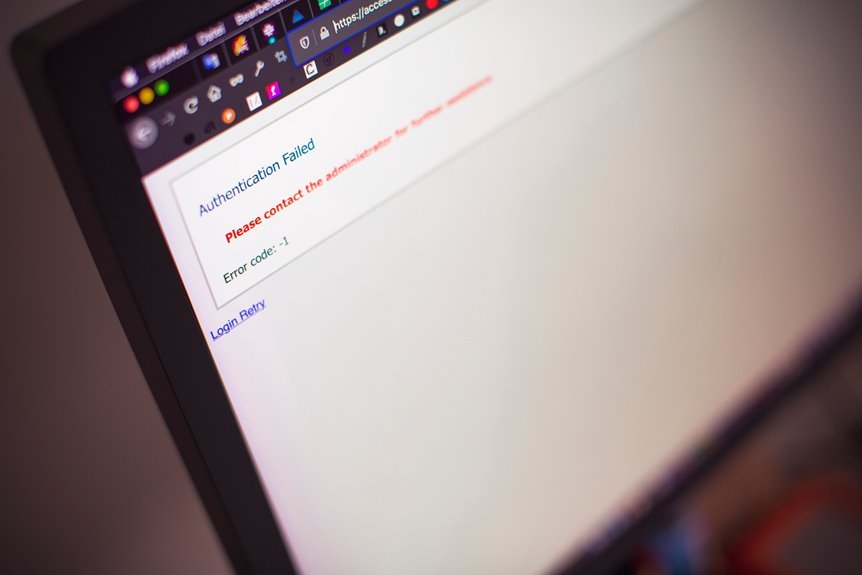
Common prompts, error messages, and safe troubleshooting steps are core to maintaining reliable 168.41 router operation. Detected issues are diagnosed via logs, status indicators, and controlled resets. Promote security best practices, verify firmware updates, and apply changes during maintenance windows. Document error codes, expected resolutions, and rollback plans; avoid risky configurations. Clear guidance reduces downtime and sustains predictable network performance.
Frequently Asked Questions
Can I Change the 168.41 Router Address Without a Reset?
The user can change the 168.41 router address without a reset. To proceed, change password and update firmware after access, ensuring target settings persist; configurations may hinge on current firmware, so verify compatibility before attempting non-reset adjustments.
Which Browsers Work Best With 168.41 Login Pages?
Are some users surprised by browser quirks in security pages? The answer: browsers compatibility varies, but modern Chrome, Firefox, Edge render login pages reliably; Safari sometimes lags. Consistent performance hinges on up-to-date rendering engines and HTTPS support.
How Do I Backup Router Settings Before Changes?
Backup settings should be exported from the router’s admin interface to a secure file, then archived in the router ledger. Include firmware notes and security tips, documenting configuration steps before changes. Regular backups enable quick restoration and safer experimentation.
Is There a Mobile App for 168.41 Router Management?
The answer: There is no official 168.41 router management mobile app; users manage devices via a web interface. If available, third‑party tools may access features, including firmware updates, but reliability varies, and mobile support is inconsistent.
What to Do if I Forget the Admin Password?
If one forgets the password, the admin recovery process restores access via reset or recovery pin, then creates a new credential. The procedure emphasizes security, documentation, and controlled reset channels to prevent unauthorized access during admin recovery.
Conclusion
In sum, the 168.41 router address serves as the gateway to a secured, centralized network ecosystem. Like a compass guiding sailors through fog, precise IP discovery and validated gateway reachability ensure reliable access. Login, authentication, and ongoing maintenance transform raw data into orderly control, with logs and firmware updates acting as steady lighthouses against drift. When configured with strong credentials and disciplined troubleshooting, the route remains clear, resilient, and ready for scalable, future-proof administration.