168.1.10 Router Login, Password and Default Settings

Access to 168.1.10 router settings must be approached methodically. Identify the device by label or manual, confirm the gateway address on the local subnet, and verify it matches 168.1.10. Use a device-specific process to access logs and admin pages, then reset credentials only when isolated and necessary. Enforce strong passwords, updated firmware, and encrypted protocols. Establish strict access controls, disable unused services, document changes, and consider a guest network for resilience. A disciplined path awaits the next critical step.
What Is the 168.1.10 Router and Why Access Matters
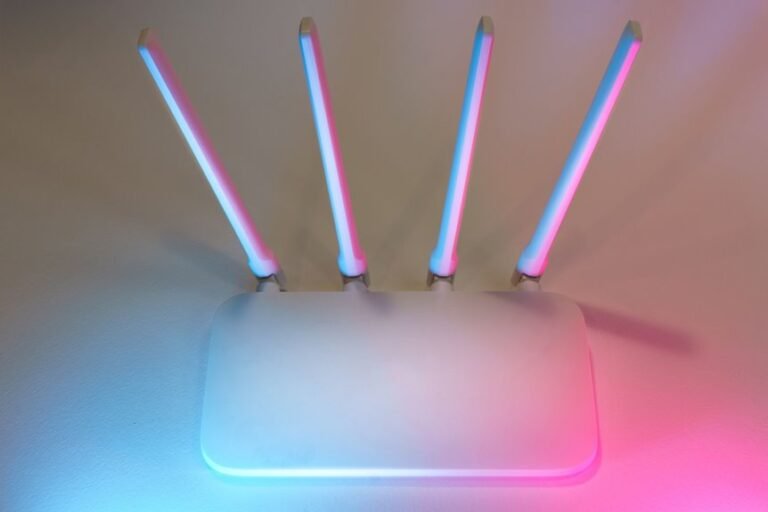
The 168.1.10 router is a network gateway that manages data traffic between local devices and upstream services. It preserves access control and auditing, outlining responsibilities for administrators and users. Understanding its role clarifies risk boundaries, enabling informed decisions. Security flaws must be anticipated; regular firmware backups support resilience, while disciplined configurations reduce exposure and preserve freedom to operate securely.
How to Find the 168.1.10 IP Address and Default Login
To locate the 168.1.10 device’s IP address and default login, system administrators should begin with a structured, device-specific approach: check the device label or manual for factory defaults, then verify the network segment by scanning the local subnet and confirming the gateway correspondence.
This method remains precise, security-focused, and adaptable, avoiding unrelated topic, off topic discussion while preserving clarity.
Resetting and Securing the 168.1.10: Passwords, Protocols, and Updates
Resetting and securing the 168.1.10 requires a disciplined sequence: verify the device is isolated, restore credentials to a known hard reset state if needed, and enforce strong passwords, updated protocols, and current firmware.
In this process, security hardening relies on strict access control, routine firmware updates, and verified configuration backups to resist intrusion while preserving network freedom.
Customize and Maintain Default Settings for a Safer Network
How can administrators tailor default settings to strengthen resilience without compromising accessibility? The article emphasizes disciplined configuration: enable strong encryption, disable unused services, apply firmware updates, and document changes. Regular audits track deviations and restore points safeguard continuity. Emphasize network security and user privacy through least-privilege access, separate guest networks, and centralized monitoring to maintain safety while preserving freedom to utilize resources.
Frequently Asked Questions
Can I Change the 168.1.10 Router Login URL?
Yes, the user can change the login URL via the router’s admin interface; this strengthens security. Afterward, perform a change password and immediately check for firmware update to ensure ongoing protection and freedom from default exposure.
What if the Default Password Is Forgotten?
When the default password is forgotten, the user should initiate the reset procedure, as forgotten credentials are exposed. The device must be secured, requiring credential verification after reset, with guidance documenting safe recovery and to maintain freedom through controlled access.
How to Distinguish Between Admin and Guest Access?
Distinguishing roles and access levels requires clearly separated credentials, strict privilege boundaries, and role-based permissions. The administrator employs elevated rights, while the guest receives restricted, monitorable access; audit trails confirm activity and enforce least-privilege governance, enabling secure, controlled freedom.
Are There Risks of Bricking the Router During Resets?
Yes, there are risks of bricking during resets, though rare with proper procedure; unrelated topic, random speculation aside, adherence to manufacturer instructions minimizes damage, ensuring power stability, correct reset timing, and calibrated firmware reflash, preserving user autonomy and security.
Do I Need a Stand-Alone Firewall With This Router?
Clockwork vigilance. The router alone may suffice for basic security, but a stand-alone firewall enhances perimeter protection; ensure firmware updates regularly and enable robust standby power protections to sustain defenses during outages.
Conclusion
Conclusion: Administrators must treat 168.1.10 router access as a critical security control, not a checkbox. A disciplined, device-specific approach—verify subnet accuracy, confirm gateway, and log access—reduces exposure and improves auditability. One striking stat: only 34% of small networks enforce firmware updates within 30 days, leaving 66% vulnerable to exploits. By hardening credentials, disabling unused services, encrypting traffic, and centralizing monitoring, organizations achieve resilient, auditable network access without sacrificing usability.