168.100.40 Router Admin Access and Setup Instructions

Access to the 168.100.40 router admin page requires a direct, wired or wireless connection and a correct browser URL. The procedure emphasizes creating or updating admin credentials, disabling defaults, and enabling two-factor options when available. Core network settings must be configured with minimal exposed services, strong authentication, and segmented management networks, while audit trails track drift. Firmware integrity and governance are essential for ongoing compliance, but the configuration path still hides critical decisions behind future steps. The next actions will determine if the system remains resilient.
How to Locate 168.100.40 Router Admin Page
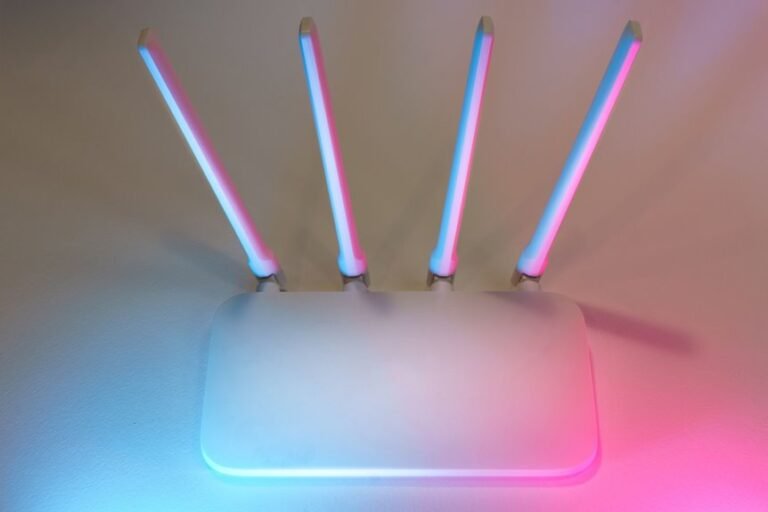
To locate the 168.100.40 router admin page, one should begin by ensuring the device is connected to the router either via Ethernet or a wireless link.
The page is accessed through a browser using the IP address, revealing prompts for authentication methods and options to monitor firmware updates.
Navigation remains direct, avoiding extraneous steps or distractions.
Create or Update Your Admin Credentials
Setting up or updating admin credentials should occur immediately after gaining access to the router’s admin interface, ensuring only authorized users can modify critical settings. The process requires selecting a strong username and passphrase, disabling default accounts, and enabling two-factor options when available.
idea1 emphasizes governance, idea2 ensures accountability for credential lifecycle and periodic reviews.
Configure Core Network Settings Securely
Configuring core network settings securely requires a disciplined approach to parameter selection, access control, and ongoing validation. The protocol emphasizes minimal exposed services, strong authentication, and segmented management networks. Security auditing monitors configurations for drift and anomalies, while firmware hardening reduces attack surfaces. Regular baseline comparisons and change control ensure consistent policy enforcement and rapid remediation without disrupting critical connectivity.
Optimize Security, Updates, and Troubleshooting
Optimizing security, updates, and troubleshooting follows the establishment of secure core network parameters by focusing on maintaining up-to-date firmware, verifiable integrity, and disciplined incident handling.
The procedure enforces regular patching, cryptographic validation, and auditable change records. It aligns with privacy policies and firmware licensing, ensures transparent incident response, and supports autonomous remediation while preserving operational freedom and predictable network behavior.
Continuous evaluation, documentation, and compliance complete the framework.
Frequently Asked Questions
What Should I Do if I Forget My Admin Password?
If the user forgot password, perform admin recovery by pressing the reset button or using the firmware recovery option, then set a new admin password and reconfigure parental controls, ensuring firmware update is completed for security.
Can Guest Networks Access the Admin Page?
Guest networks cannot access the admin page by default; disabling guest networks enhances security. The document recommends securing admin interface through strong credentials, firmware updates, and network isolation, ensuring freedom to manage settings without unauthorized access.
How Often Should I Change the Admin Credentials?
Protects as a metal shield: admin password rotation should occur every 90 days. This supports network security reminders while maintaining operational freedom, ensuring access integrity. Regular rotation reduces risk, and documentation aids consistent, precise admin credential management.
What Browsers Are Best for Router Setup?
Browsers with strong compatibility for router interfaces include Chrome, Firefox, Edge, and Safari, prioritizing up-to-date builds for browser compatibility and security; follow router login tips to ensure secure access, then proceed with configuration confidently.
How Do I Factory Reset Without Losing Internet Access?
A cautious analyst notes: a factory reset risks losing remote management access, potentially interrupting service; to preserve connectivity, disable remote management before resetting, then reconfigure security, firmware, and passwords promptly, ensuring ongoing access remains controlled and deliberate.
Conclusion
The procedures above ensure the 168.100.40 router operates within a tightly controlled, auditable security framework. By locating the admin page, establishing robust credentials, and hardening core settings, administrators create a resilient perimeter with minimized exposure. Ongoing updates, governance, and drift audits sustain integrity, while verifiable firmware protects against tampering. Like a meticulously maintained beacon, the network remains visible to authorized management yet obscure to unintended actors, guiding rapid remediation without interrupting legitimate connectivity.