168.1.177 Network Setup and Router Login Tutorial

The guide on 168.1.177 Network Setup and Router Login Tutorial presents a practical, methodical approach to securing a home or small-office network. It emphasizes wired gateway connections, firmware updates, and removing default credentials, with structured steps for device discovery and ongoing monitoring. After outlining initial access and configuration, it points to QoS, channel optimization, and secure authentication. The narrative leaves a clear path forward while prompting the reader to consider concrete settings and documented specifics to continue configuring a robust, autonomous network.
What Is 168.1.177 Network and Why Use It
The 168.1.177 network is a reserved address range designated for private, local-area networking use, typically employed within home or small-office environments to segment internal devices from public Internet traffic. This topic outlines fundamental network IP basics and router access workflows, clarifying address scope, subnetting considerations, device discovery, and secure access methods to support autonomous network management and frictionless freedom.
Prepare Devices and Needs for Router Login
Before attempting a router login, prepare the required hardware, software, and network context to ensure a smooth session. The procedure assesses device compatibility, confirming supported interfaces and firmware versions. Ensure secure, updated software and compatible peripherals. Consider network security implications and access credentials, documenting model specifics, IP scheme, and browser compatibility. This preparation minimizes interruptions and aligns with controlled, freedom-oriented network experimentation.
Step-by-Step Router Login and Initial Setup
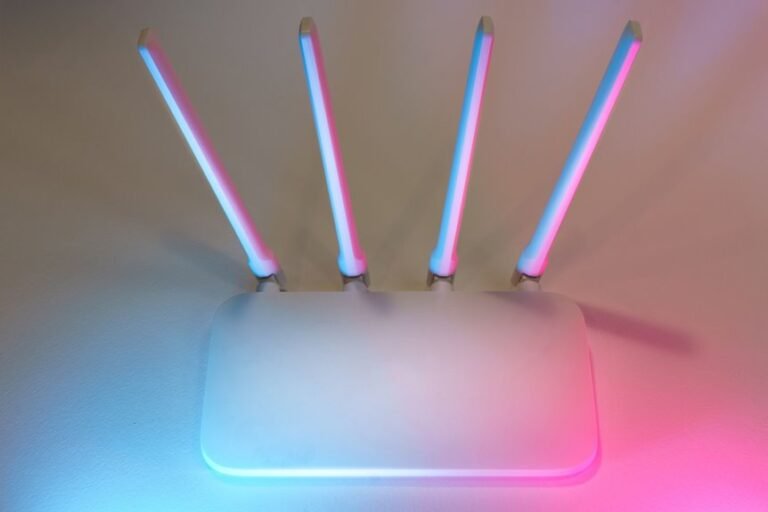
To begin the login sequence, access the router’s administrative interface using a wired connection to the device’s default gateway IP address and a secure admin username and password.
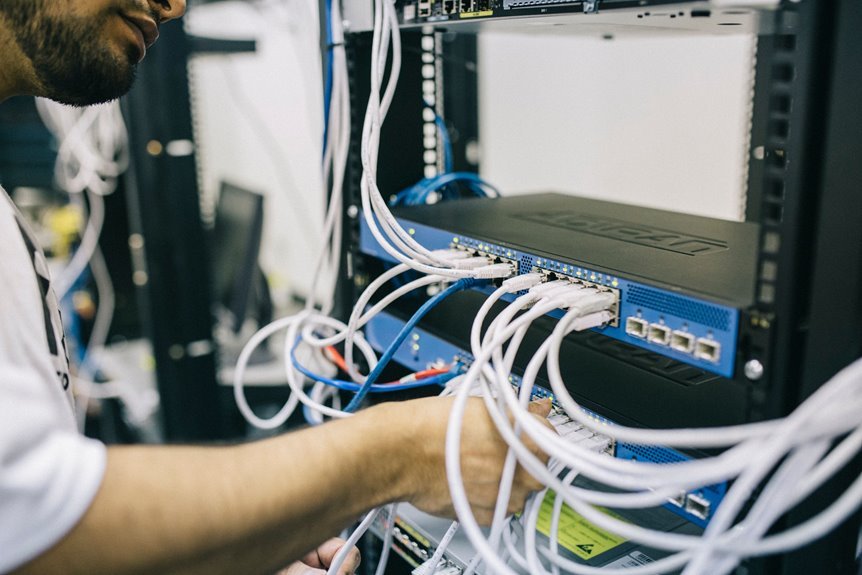
The procedure follows a concise order: verify cable integrity, open a browser, enter the gateway URL, submit credentials, and apply a quick start checklist.
Emphasize router security throughout configuration.
Improve Speed, Security, and Reliability After Login
After login, network performance can be maximized by enabling a targeted combination of speed-oriented optimizations, security hardening, and reliability improvements. The approach prioritizes firmware updates, QoS rules, and channel optimization while enforcing strong authentication to deter unauthorized access. Disable default credentials, rotate keys, and implement access logging; verify redundant paths, monitor latency, and apply failover measures to ensure stable, resilient operation.
Frequently Asked Questions
How to Change Router Wi-Fi Name After Login?
To change network name, access the router admin panel, navigate to Wireless settings, and modify the SSID field; apply changes. Afterward, reconnect devices using the new network name and update password if required.
Can I Update Router Firmware Manually?
“Yes, it is possible,” the report notes, though cautions apply. Updating firmware via manual methods requires downloader checks, file verification, and router reboot. The process demands precise steps, documenting changes for those who seek technical autonomy.
What to Do if Login Page Doesn’T Load?
If the login page doesn’t load, verify login timeout, ensure browser compatibility, clear cache, disable extensions, and try a direct IP access. The approach emphasizes methodical steps, maintaining precise diagnostics for users seeking freedom and control.
How to Reset Admin Password Safely?
Reset password by accessing admin panel, using safe practice: create a strong, unique passphrase; apply firmware update if available; follow manual steps to restore defaults only when necessary; address login page issues, troubleshoot with IP range checks; private vs public considerations.
Is 168.1.177 Private or Public IP Range?
168.1.177 falls within a private range, not a public range. In this context, the designation aligns with private ranges typically used for local networks, while public ranges are routable on the internet, emphasizing controlled, freedom-friendly networking.
Conclusion
In a concise, methodical assessment, the 168.1.177 network setup and router login tutorial delivers a rigorous blueprint for secure, reliable home and small-office networking. By prioritizing wired gateway connections, firmware updates, and credential hardening, it builds a resilient foundation for ongoing monitoring and QoS optimization. Once configured, this framework minimizes risk and maximizes performance; the network operates with the precision of clockwork, a hyperbolic standard of reliability that feels almost superhuman in consistency.