50.5.1 Login Complete Router Access and Setup Guide

The 50.5.1 Login Complete Router Access and Setup Guide presents a structured approach to initial authentication, session management, and baseline configuration. It defines credential requirements, enforces role-based access, and specifies session timeouts with automatic logout. It also covers secure network foundations, firmware integrity checks, and ongoing monitoring. The guide outlines quick-start steps and repeatable setup tasks, including parental controls, QoS, device authorization, and guest access, but leaves critical decisions pending for the user to justify further investigation.
What 50.5.1 Login Lets You Do First
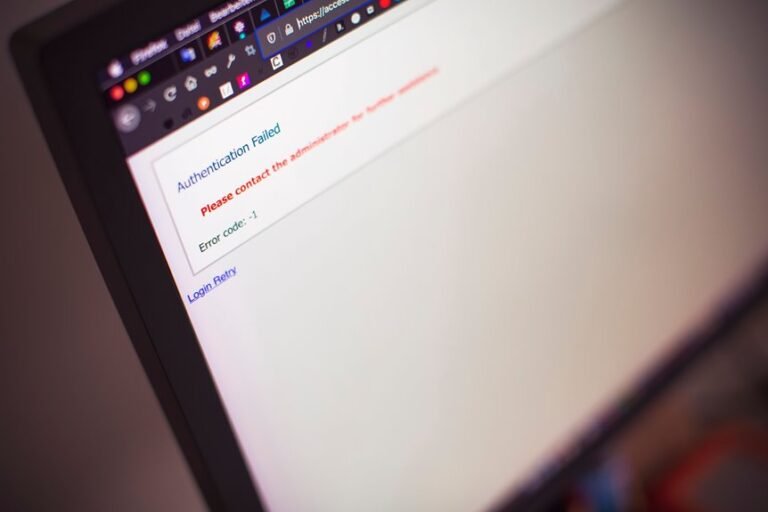
The 50.5.1 login interface enables initial access to the router’s administrative functions by validating user credentials and establishing a secure session. It defines setup basics, including credential requirements, session timeouts, and access scopes. This interface enforces password security practices, governs role-based permissions, and outlines initial configuration steps while preserving user autonomy and privacy within a controlled, auditable environment.
Quick-Start: Safe Login and Firmware Basics
Quick-Start: Safe Login and Firmware Basics outlines a streamlined approach to establishing a secure session and verifying firmware integrity. The guide delivers a concise secure login procedure, presents a firmware overview, and confirms integrity checks. It addresses parental controls, ensures proper qos settings, and defines verification steps. The detached viewpoint emphasizes repeatable, auditable actions for confident, freedom-minded administration.
Secure Network Setup: Wi‑Fi, Passwords, and Protections
Secure Network Setup encompasses the configuration of Wi‑Fi, authentication credentials, and protective measures to safeguard a local network.
The protocol emphasizes secure access and controlled login permissions, ensuring authorized devices and users can connect while preventing intrusion.
Implement WPA3, disable guest portals by default, rotate keys, and monitor for anomalous activity, preserving integrity and availability without compromising organizational freedom.
Personalize and Optimize: Parental Controls, QoS, and Guests
Meshes of user-facing policies emerge from prior security groundwork, guiding tailored access and performance.
The section delineates parental controls for content and time restrictions, configuring guest access with isolated networks, and implementing network optimization through qos prioritization.
It prescribes deterministic settings: bandwidth allocation, device-level rules, and monitoring dashboards to sustain freedom while enforcing responsible usage and predictable throughput.
Frequently Asked Questions
How Do I Backup and Restore Router Settings?
To backup configurations, access the router’s admin panel, navigate to System, then Backup, and save to a local file; to restore, use Restore, select the file, and confirm. Monitor real time status; observe LED indicators during restore; consider factory reset if issues. Remote access remains enabled post-restoration.
Can I Access the Router Remotely Outside My Network?
Yes, remote access is possible, but security considerations require careful configuration. The router should enable secure remote login, enforce strong authentication, and monitor firmware updates; enable Parental controls as needed, and restrict access to trusted IPs.
What Are the LED Indicator Meanings and Troubleshooting Steps?
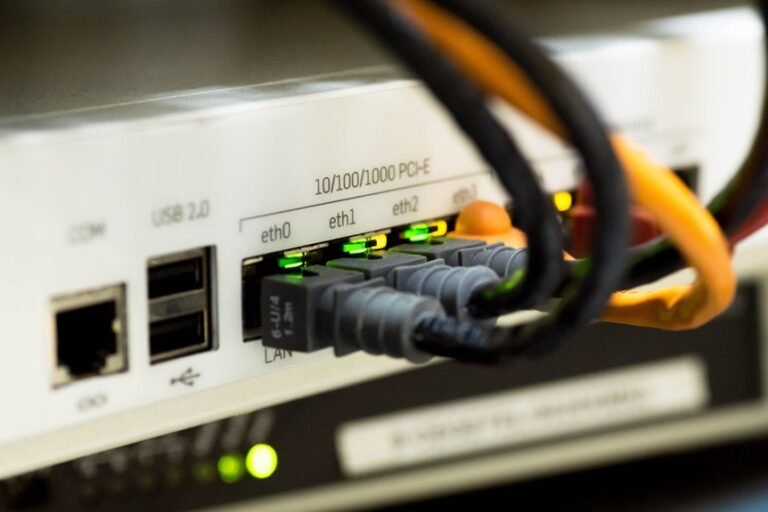
LED indicators meanings are defined for real time device monitoring, signaling link status and errors; Troubleshooting steps include checking cables and reset options; Remote access outside network requires secure configuration; Factory defaults reset may be necessary for recovery.
How Do I Reset the Router to Factory Defaults?
Reset options allow factory defaults; resets restore settings, credentials, and network parameters. The router reboots with original configuration. For security best practices, reconfigure WPA2/WPA3, change admin password, disable WPS, and apply firmware updates to maintain freedom.
How Can I Monitor Connected Devices in Real Time?
Real-time monitoring is achieved by centralized dashboards that track connected devices, bandwidth, and status. It enables monitoring devices live, with alerts and logs. Network backups and firmware restoration procedures underpin reliability and independence for empowered users.
Conclusion
The guide culminates in a precise, secure-enabled router environment, where authenticated access, session controls, and auditable actions establish a trustworthy baseline. It emphasizes firmware integrity, robust passwords, and role-based permissions to minimize risk. Parental controls, QoS, and guest networks are configured to balance safety and performance. In practice, “an ounce of prevention is worth a pound of cure,” underscoring proactive monitoring and repeatable setup tasks as the core for a stable, responsible network.