168.1.250 Router Login and Configuration Tutorial

The discussion centers on a methodical approach to accessing and configuring the 168.1.250 router. It covers establishing a trusted connection, launching a browser, and reaching the admin interface securely. Emphasis is placed on credential hygiene, session protection, and routine updates. The outline also addresses wireless security, guest isolation, and diagnostic steps. A clear, change-controlled process is expected, with each step enabling safer rollbacks should issues arise, prompting further examination of the configuration strategy.
How to Access the 168.1.250 Router Admin Page
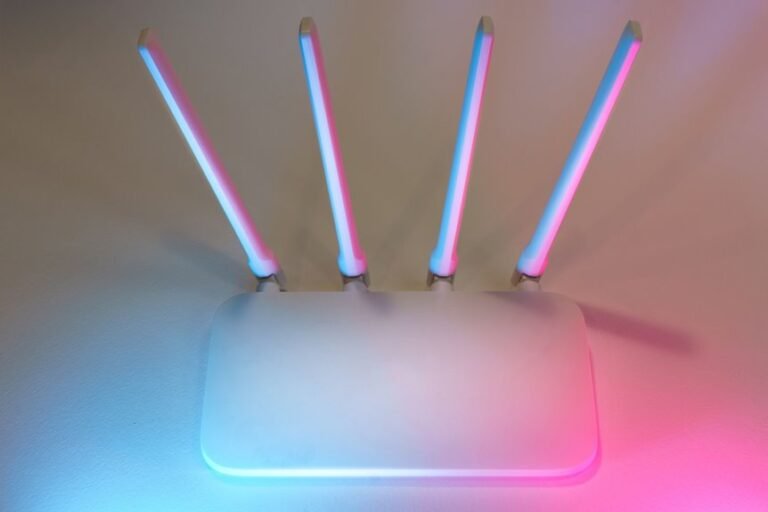
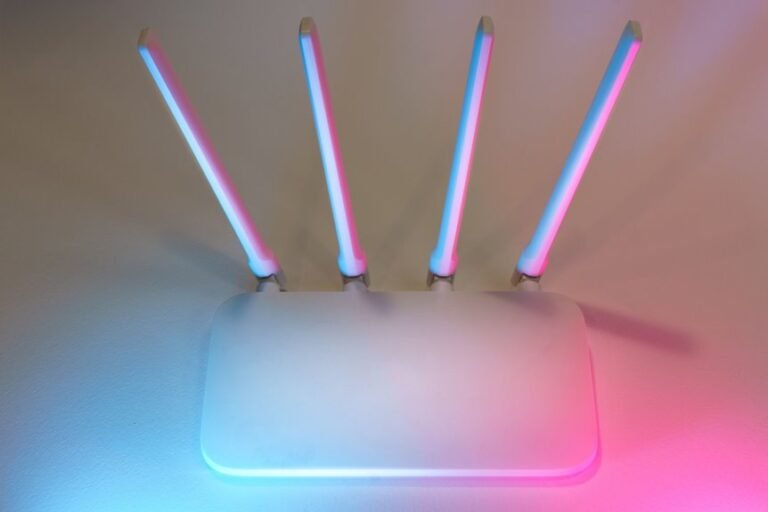
To access the 168.1.250 router admin page, the user connects a computer to the router via Ethernet or a secure wireless network, then opens a web browser and enters http://168.1.250 in the address bar.
The interface presents structured sections for access control, password hygiene, traffic shaping, and firmware backups, enabling disciplined, freedom-oriented configuration without unnecessary complexity.
Secure Login: Changing Admin Credentials and Password Tips
Secure login is foundational to router security, requiring immediate attention to admin credential changes and robust password practices. The process prioritizes unique, long passphrases, regular rotation, and account lockout after repeated failures. Documented access remains aligned with a privacy policy; data encryption during transmission safeguards credentials, while authenticated sessions reduce exposure risk. Final checks confirm offline password storage adherence.
Wi‑Fi Setup and Wireless Security Essentials
The Wi‑Fi setup phase builds on validated admin access by configuring secure wireless parameters that govern access and performance. The process establishes SSID, encryption, and channel selection, ensuring robust Wireless security while preserving user autonomy.
Configurations emphasize WPA2/WPA3 where available, guest isolation, and MAC filtering as optional controls.
Documentation notes revision history and confirms provisioning aligns with sustained network functionality and freedom.
Tuning Advanced Settings and Troubleshooting Common Issues
Advanced tuning and troubleshooting of the 168.1.250 router focus on identifying performance bottlenecks and resolving widespread connectivity issues. The procedure emphasizes objective diagnostics, logs, and repeatable tests, leading to informed adjustments.
Network optimization requires careful parameter calibration, monitoring, and validation. Firmware updates are integral for security and stability, while documented change control ensures consistent results and rapid rollback if necessary.
Frequently Asked Questions
Can I Reset the Router Without Losing All Settings?
A reset alone will not preserve configured settings; a full factory reset erases customizations. The reset procedure requires reconfiguration afterward, implying loss of personalized data. For preservation, consider documented backup methods before initiating a factory reset.
How Do I Update the Router’s Firmware Safely?
Like a compass finding true north, firmware updates proceed cautiously. They should follow tested update cadence, enable security hardening, and avoid interruptive downtime. The user is unsure; follow vendor guidance, back up settings, verify integrity, and monitor results.
Is IPV6 Supported on 168.1.250 Models?
IPv6 support varies by model; some 168.1.250 devices implement IPv6 while others do not. Parental controls may affect IPv6 traffic handling. The precise capability should be confirmed in product specifications or the device’s administration interface.
Can I Configure Parental Controls on This Router?
Yes, parental controls are available. The system supports Parental controls, Network monitoring, and Device blocking, with optional Firmware updates for control policies. It is described in precise, structured terms for users seeking freedom.
How Do I Back up and Restore Router Configurations?
Backing up and restoring router configurations involves exporting settings to a secure file, then restoring from that file when needed. Clear procedures reduce risk; employ backup strategies and hardware security measures to protect sensitive configuration data during transfers and storage.
Conclusion
The guide demonstrates secure, methodical access to the 168.1.250 router, emphasizing authenticated sessions, unique admin credentials, and encrypted transmission. It summarizes Wi‑Fi hardening, guest isolation, MAC filtering, and ongoing firmware housekeeping as essential upkeep. By documenting changes and enforcing change control, administrators enable safe rollbacks and audit trails. Will a disciplined, repeatable process sustain resilient network performance and protect against evolving threats while simplifying future configuration reviews?