168.0103 Router Login With Correct IP Formatting

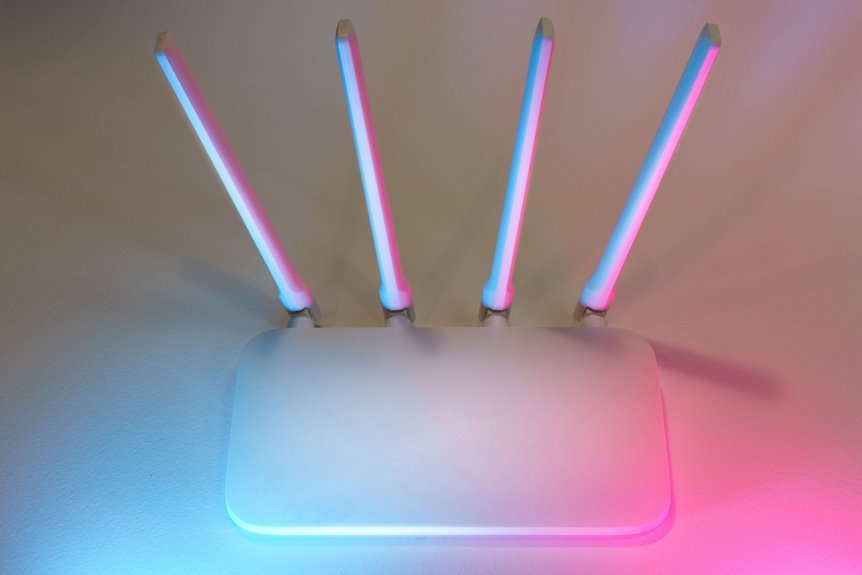
Precise IP formatting is essential for reliable router access. Both IPv4 and IPv6 require exact LAN addresses, with no extra spaces, missing octets, or incorrect CIDR notation. Identifying the gateway and default IP ensures direct connection, whether wired or wireless. The login flow differs by medium, but consistent authentication endpoints support secure access. Mistakes soon cause failed login and disconnects; mastering correct formatting keeps the path open and invites further verification steps.
What Is the Correct IP Format for Router Access?
The correct IP format for accessing a router is an IPv4 or IPv6 address that targets the device’s LAN interface. Access is independent of browser vs firmware, focusing on precise addressing.
The distinction matters for latency vs bandwidth: correct IP routing reduces delay and optimizes data flow.
Technical choices should be deliberate, straightforward, and free of unnecessary configuration complexity.
How to Identify Your Gateway and Default IP Address
To identify the gateway and default IP address, the device’s network configuration must be examined directly on the host or router.
Gateway discovery occurs via OS network settings or router status pages.
The default IP address is listed alongside attached devices and DHCP information.
Accurate identification reduces setup errors and supports secure access control.
Step-By-Step: Log in From Wired vs. Wireless Setups
Logging in from wired versus wireless connections follows distinct steps but converges on the same authentication endpoints; understanding the differences ensures reliable access and reduces error risk.
The wired path emphasizes a stable login format and direct ip address entry, while wireless relies on gateway discovery before confirming the default route.
Both converge at the same login authentication, enabling scalable, flexible access.
Common Formatting Mistakes and Quick Verification Checks
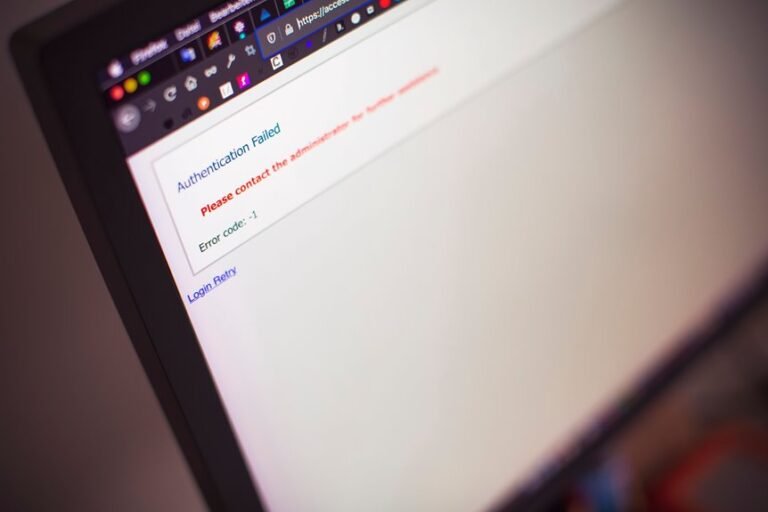
Moving from the wired login process, users often encounter formatting errors in IP addresses and gateway references that impede authentication. Common formatting mistakes include extra spaces, missing octets, and incorrect CIDR notation, affecting IP correctness and device authentication.
Quick verification checks emphasize network fundamentals, verify router access credentials, confirm proper subnetting, and re-enter typing mistakes to maintain networking basics and secure access.
Frequently Asked Questions
Can I Use a VPN While Accessing the Router Login?
VPN usage can be employed to reach the router login, but considerations include potential IPv6 formatting compatibility and network policy constraints; ensure secure VPN endpoints, proper IP handling, and authenticated access to avoid misconfigurations or exposure.
Do IPV6 Addresses Require the Same Formatting Rules?
IPv6 addresses follow distinct formatting rules; concise notation uses hexadecimal groups separated by colons and zero compression. Yes, IPv6 formatting differs from IPv4, and proper IPv6 notation is essential for reliable router access and configuration.
What if the Gateway IP Isn’T Responding at All?
The gateway uptime cannot be validated if it isn’t responding; suspicions arise of a dead device or misrouting, prompting checks for firmware updates and alternate routes before reconnecting to restore service.
How Do I Reset the Login if Credentials Are Forgotten?
The reset credentials require a hardware reset, restoring default login and password. Use router recovery steps, then reconfigure. For backup login methods, document saved credentials and recovery email. After reset, secure settings and update firmware.
Is a Different Browser Helpful for Router Login Success?
A different browser is not inherently helpful; router login success depends on correct IP access and credentials. VPN usage can complicate access, while direct local network access remains most reliable for router access and configuration.
Conclusion
In precision, the router login is a map with exact coordinates. A single stray space or miscounted octet can derail the journey, scattering packets like misaddressed mail. Wired access is a straight line; wireless invites a fog before the gateway becomes visible. By aligning the LAN IP precisely, you lock onto the correct door and the default route follows. The login then becomes a clean, steady beacon through which secure connectivity rises, steady as a lighthouse in data sea.