168.178.100 Router Login and Network Configuration Guide

This guide presents a disciplined, methodical approach to the 168.178.100 router login and network configuration. It begins with establishing admin access and auditing default settings, then proceeds to reinforce access controls and monitor sessions. After securing the gateway, it requests careful hardening of security, optimization of wireless performance, and clear device segmentation. The framework invites systematic verification and alerting, but unsettled questions remain about real-time response workflows and coverage adequacy, prompting further, careful consideration.
How to Log in to 168.178.100 Router Admin
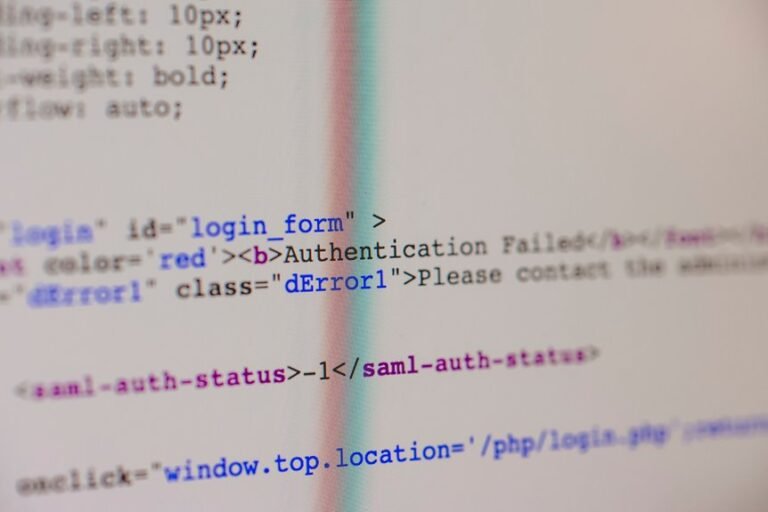
To log in to the 168.178.100 router admin interface, users should connect a device to the router’s network and open a web browser. The login page appears prompt-driven; enter credentials, then access is granted for admin access. After authentication, sessions should be monitored, and default settings reviewed to ensure security, reliability, and uninterrupted admin control.
log in.
Safely Configure Your Network for Speed and Privacy
Safely configuring a home network for speed and privacy requires a disciplined, step-by-step approach: first secure the router, then optimize wireless settings, and finally segment devices to minimize exposure. The process emphasizes privacy defaults and routine firmware updates, ensuring settings persist across reboots.
A methodical posture reduces attack surfaces while preserving autonomy, enabling confident, unrestricted use without unnecessary risk or dependence.
Optimize Wi‑Fi Performance Across All Rooms
Optimizing Wi‑Fi performance across all rooms requires a systematic approach that accounts for coverage, interference, and device needs.
A methodical assessment identifies dead zones, then optimizes router placement and channel selection to reduce optical interference.
Firmware updates should be scheduled during low-usage periods to maintain security and performance without disruption, ensuring consistent, reliable connectivity throughout the facility.
Monitor Connected Devices and Set Alerts
Monitoring connected devices and configuring alert thresholds provides real-time visibility into a network’s usage patterns and security posture.
The guide outlines device inventory, traffic baselines, and alert criteria.
It emphasizes latency troubleshooting strategies and rapid response workflows.
It also covers parental controls setup, ensuring policy enforcement without compromising performance.
Clear, repeatable steps promote secure, autonomous network management with freedom.
Frequently Asked Questions
Can I Change My Router’s Default DNS Servers?
Yes, changing DNS is possible by editing router settings. The guide outlines steps for Updating DNS, adjusting Routing Protocols as needed, ensuring Wireless Coverage remains stable, and planning Cloud Backup considerations; security and control support a freedom-seeking approach.
How Do I Set up Guest Wi‑Fi Access?
Guest access is set by enabling a dedicated guest network, isolating it from main devices. Implement network isolation, strong WPA3, and time/usage limits with parental controls; document credentials and update firmware for a secure, freedom-friendly setup.
What Parental Controls Are Available on This Router?
Parental controls overview include scheduled access, site blocking, and activity monitoring, with Web filtering basics enabling category-based restrictions. The router offers configurable safeguards, designed for empowered users who value precision, security, and freedom while maintaining controlled online environments.
Can I Enable VPN Passthrough or VPN Server?
VPN passthrough or VPN server may be unsupported; configuring depends on firmware. The analyst notes that router firmware vs hardware capabilities determine VPN features, while wireless band optimization and security considerations shape deployment for users seeking freedom.
How Do I Backup and Restore Router Settings?
A precise backup plan is recommended: use the router’s backup feature to save configuration, store an external backup securely, and document the restore process. Ensure firmware compatibility before restoring to maintain functional integrity and freedom of use.
Conclusion
In mastering the 168.178.100 router, precision and vigilance guard the network like a watchdog at a quiet gate. An anecdote: a single unauthorized session was spotted, halted, and logged within minutes, saving hours of potential disruption. Data shows consistent firmware updates reduce breaches by a measurable margin. From login to alerts, the process is methodical and secure, transforming a fragile signal into a resilient, fast, private network—maintained through disciplined monitoring and timely hardening.