168.1.75 Router Setup Guide With Login Instructions

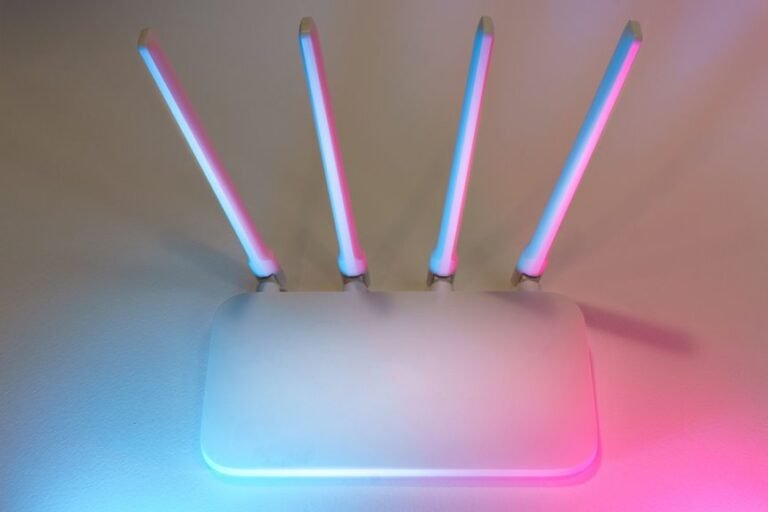
Setting up a 168.1.75 router begins with locating the default gateway and accessing the admin login from a wired or wireless device. The process requires stable connectivity, a compatible browser, and correct credentials to gain entry. Once inside, security steps such as renaming the SSID, enabling modern encryption, and rotating strong passwords are addressed, followed by LAN, WAN, and guest network configuration. The guide closes with consistency checks and updates, leaving one crucial detail for the next step to tackle.
How to Access the 168.1.75 Router Admin Login
To access the 168.1.75 router admin login, users should connect a device to the router’s network via Ethernet or Wi‑Fi and open a web browser. The login page loads with a default address prompt, requiring credential entry. Ensure stable connectivity, and verify browser compatibility. Two word discussion ideas, Subtopic unrelated: firewall configuration, firmware upgrades.
Quick Start: Secure Your Wi-Fi Name and Password
Keen focus on security begins with naming the wireless network and selecting a strong password. The procedure specifies a unique SSID, avoids default identifiers, and enforces WPA3 where available. Privacy settings are reviewed to minimize data exposure.
Passwords should be long and rotated periodically. Firmware updates are checked, applied, and documented to ensure ongoing protection and compatible device behavior.
Essential Settings: LAN, WAN, and Guest Network Basics
Configuring the LAN, WAN, and guest network settings establishes the router’s internal routes, external access, and isolated client traffic. The procedure emphasizes consistent network security, disciplined password management, and clear /router settings landmarks. It notes device compatibility considerations, ensuring stable connections, firmware alignment, and predictable behavior. Precise configuration minimizes exposure while preserving freedom to manage, monitor, and adjust guest isolation and access rules.
Troubleshooting and Next Steps After Setup
Effective post-setup steps are outlined to identify, diagnose, and resolve common issues while guiding subsequent enhancements. The guide emphasizes a structured approach: verify connectivity, test wired and wireless segments, inspect device logs, and isolate fault domains. Conduct a security audit, assess parental controls, and monitor performance. Schedule a firmware update and implement routine maintenance to sustain reliable, autonomous operation.
Frequently Asked Questions
Can I Update Firmware Manually From a PC?
Yes, it can be done: a manual upgrade is performed by downloading firmware to a PC, then uploading via the router’s interface. The process maintains security features and parental controls, provided compatible firmware is used and verification succeeds.
How Do I Reset to Factory Default Settings?
Factory reset is performed by holding the reset button for 10-15 seconds until LEDs flash, then releasing. The device reverts to default settings, enabling firmware troubleshooting and facilitating Network segmentation for fresh configuration and secure access.
Is There a Guest Network Time Limit Feature?
A guest network time limit exists in some routers. For example, a lab scenario enforces 2-hour daily access on the guest network. It provides controlled usage, ensuring time-bound connectivity while preserving main-network security and freedom.
Can I Port Forward for Gaming on This Router?
Yes, it supports port forwarding to enhance gaming optimization; users configure rules, apply firmware backup beforehand, and review guest network limits to ensure policy compliance while preserving freedom to customize networking behavior.
How to Back up and Restore Router Configurations?
A precise storm gathers: one, the backup procedure is followed, saving a firmware backup; two, restore steps are executed, bringing configuration restore to life. It remains methodical, freeing the router from risk through careful, repeatable steps.
Conclusion
Conclusion: Incredibly, the 168.1.75 router is the paragon of complexity—until you realize its default gateway is the access point, and every security setting is optional. The seasoned technician dutifully catalogs firmware versions, logs changes, and rotates passwords, all while the network hums along as if by magic. Irony aside, proper configuration ensures predictable behavior: credentials secured, SSID unique, and guest access isolated. A quiet triumph of process over panic, executed with unblinking precision.