10.10.10 Router Configuration and Login Tutorial

The discussion centers on configuring and logging into a 10.10.10 router with a methodical approach. It outlines accessing the login page via 10.10.10.1, verifying cross-device connectivity, and securing the device by changing the default password and enabling strong authentication. It then covers firmware checks, backups, and essential security settings, followed by optimizing Wi-Fi, guest access, and stability measures. The framework ends by noting potential pitfalls and considerations that encourage continued, careful implementation.
How to Access the 10.10.10 Router Login Page
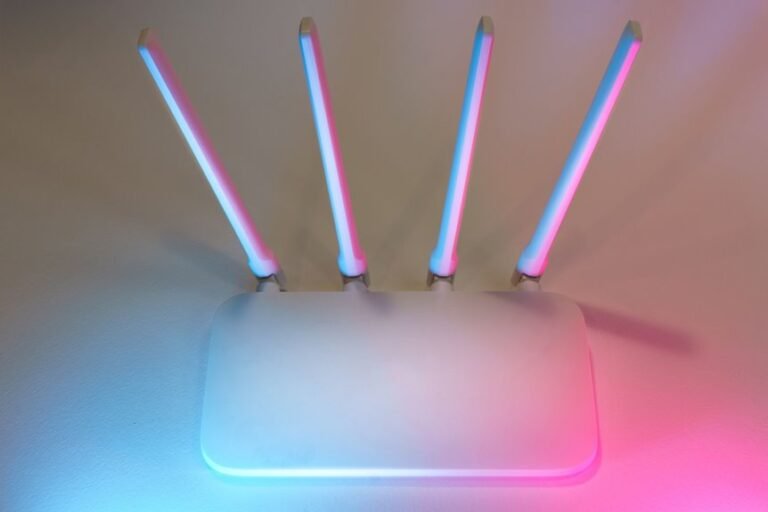
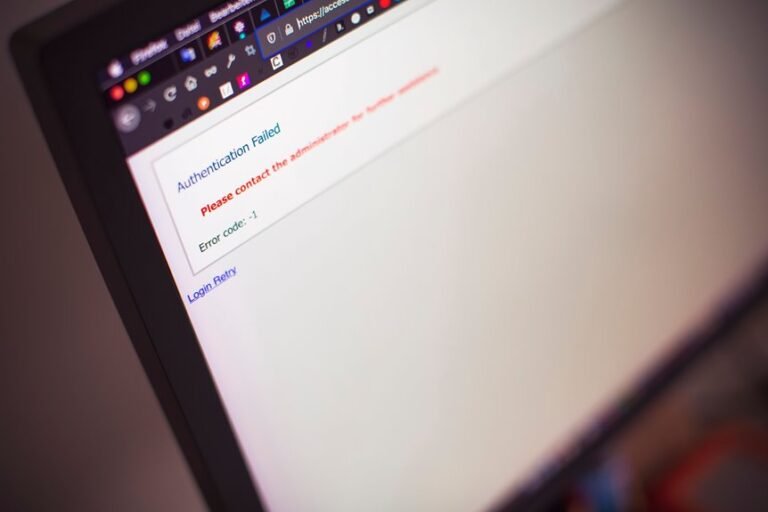
To access the 10.10.10 router login page, users should open a web browser and enter the default gateway IP address, typically 10.10.10.1, into the address bar.
This process facilitates login page access and initiates router IP discovery.
Detected responses supply credentials, enabling configuration access while preserving security boundaries and ensuring authoritative connection status remains verifiable and consistent across devices.
Change and Strengthen Your Router Password
Changing and strengthening the router password is a foundational security step that prevents unauthorized access to the device’s administration interface.
The procedure emphasizes selecting a unique, high-entropy password, avoiding reuse, and enabling strong authentication practices.
Assess password strength, use a randomized mix of letters, numbers, and symbols, and document changes.
These measures enhance login privacy and sustain disciplined, resilient device control.
Update Firmware and Apply Basic Security Settings
Firmware updates and the application of basic security settings are essential for maintaining router integrity and defending against emerging threats.
The procedure remains precise: verify official firmware, perform backups, and apply, test, and document changes.
Exploring firmware rollback and understanding device signatures enable reversible updates and integrity checks.
Implement authentication, disable unsafe services, and log events for accountability and ongoing security posture.
Optimize Wi-Fi, Guest Access, and Network Stability
Optimizing wireless performance, guest access, and overall network stability involves a structured approach: evaluate current Wi‑Fi metrics, configure radio settings for optimal coverage, and enforce guest network policies that isolate client traffic while preserving performance.
Designers implement targeted wifi optimization steps, monitor interference, and sustain reliability, ensuring guest access remains secure yet unobtrusive, with clear, actionable controls for continued network stability.
Frequently Asked Questions
How to Backup and Restore Router Configurations?
A structured approach ensures reliable backup restoration of router configurations. The procedure involves exporting current settings, storing securely, testing restore integrity, and validating post-restore functionality; emphasis remains on maintaining router security and auditable change documentation.
Can I Enable Parental Controls and Time Schedules?
A hypothetical school, enforcing device use, demonstrates enabling Parental controls and Time schedules. Yes, it is possible; configuration varies by firmware. Parental controls restrict content and access windows; Time schedules enforce permitted hours for network use, independently or jointly.
What to Do if I Forget the Router Login Password?
If the password is forgotten, the router is reset to factory settings; perform a factory reset, then apply backup restore if available. Reconfigure parental controls and guest network, addressing connectivity issues before reentry of credentials.
How to Set up a Guest Network With Isolation?
A notable 72% of households implement guest network isolation to protect devices; the method is systematic: enable a separate SSID, restrict inter-network access, and apply firewall rules. Regular router firmware updates ensure consistent security and feature availability.
How to Diagnose and Fix Common Connectivity Issues?
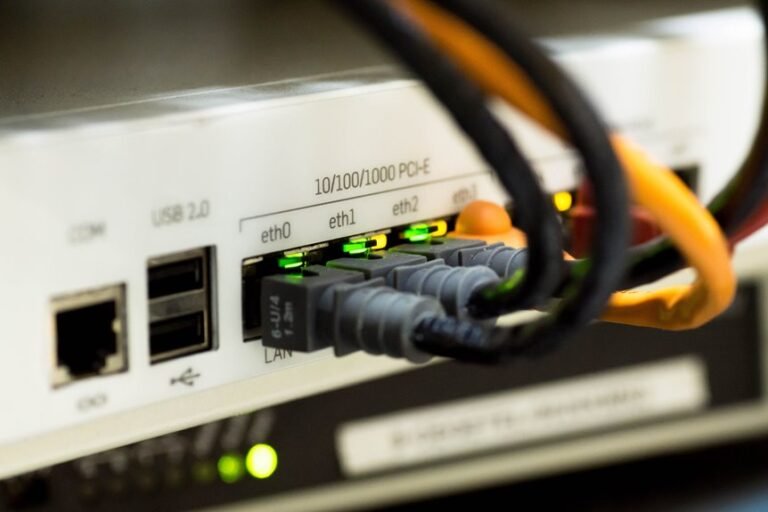
Diagnostic approach emphasizes systematic checks: verify physical connections, ping tests, and router logs; identify bottlenecks, then implement firmware updates. Tools include diagnostic tools for latency and packet loss; document steps. Firmware updates may resolve underlying compatibility and stability issues.
Conclusion
In the quiet hum of the network, the baseline is secured and predictable. The login becomes a gatekeeper, and a strong password, a stubborn bolt, seals the entry. Firmware updates arrive like precise repairs, keeping the circuitry honest. Wi‑Fi breathes with measured cadence, guest access sits behind careful walls, and stability is the constant under current. Changes are cataloged, settings tuned, and the system remains ready for tomorrow’s traffic, a well‑engineered conduit for reliable connection.