168.10.253 Router Login Guide and Network Setup

The 168.10.253 router login guide outlines safe access, default credentials, and initial setup steps. It covers firmware updates, secure administration, and essential backup of configurations. It details Wi‑Fi configuration, channel choices, and coverage considerations for consistent signal. Security features, logging, and remote access options are reviewed with a focus on prudent use. A practical path for port forwarding and routine troubleshooting is provided, but the next steps require careful implementation to ensure stability and protection.
What Is the 168.10.253 Router and How to Access It
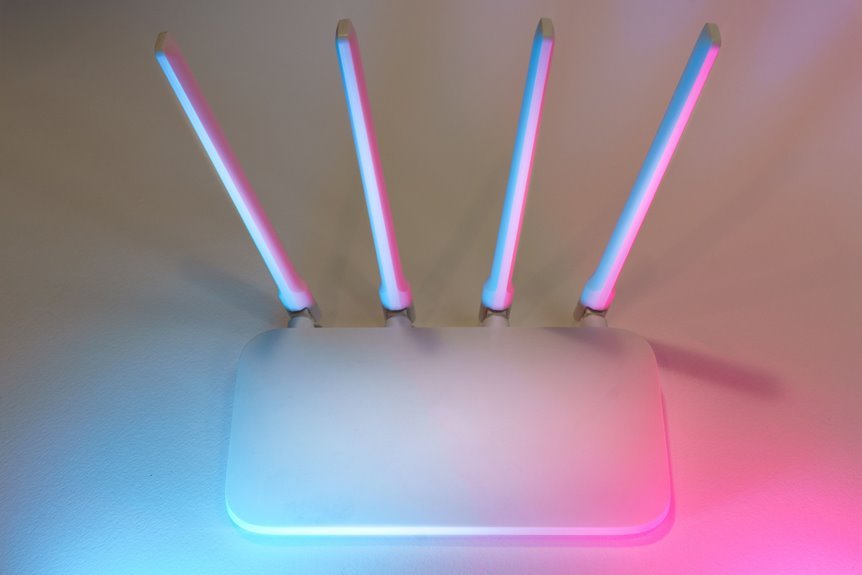
The 168.10.253 router is a common residential gateway used to manage local networks and Internet access. It functions as a gateway device handling traffic routing, wireless distribution, and address assignment.
The model supports broadband anatomy concepts and may involve nonstandard IPs for management or guest networks. Access typically requires a browser and correct local credentials, with precautions for secure configuration.
Log in Safely: Default Credentials, Reset Options, and First-Time Setup
Accessing the 168.10.253 router for the first time requires using the login interface with correct default or updated credentials and applying safe setup practices. Login safety hinges on changing defaults, enabling strong passwords, and updating firmware. Reset options should be understood: factory reset versus password recovery. First-time setup prioritizes secure access, documenting steps, and recognizing common troubleshooting paths.
Set Up Wi-Fi and Network Basics for Reliable Coverage
Set up Wi‑Fi and fundamental network settings to ensure stable coverage across typical environments. The guide outlines channel selection, band distribution, and placement strategies to minimize dead zones and interference. Maintain up-to-date firmware updates, monitor signal quality, and optimize password management for consistency. Address setup interference proactively, document changes, and preserve reliable throughput while preserving user freedom and straightforward administration.
Security, Port Forwarding, and Common Troubleshooting Tips
Security considerations, port forwarding configurations, and common troubleshooting steps are presented with a focus on predictable, verifiable results: routers should enforce access controls, expose only necessary services to the Internet, and log events for auditability.
Network encryption and firmware updates strengthen resilience; ensure strong keys, regular patching, and authenticated remote access, enabling auditable, resilient, freedom-respecting connectivity.
Frequently Asked Questions
Can I Access 168.10.253 From Mobile Devices Without a Browser?
Yes, mobile access is possible via apps or SSH without a browser, depending on device configuration. This enables offline control, but security implications and network requirements must be considered to preserve freedom and reliable connectivity.
How Do I Update Firmware on the 168.10.253 Router?
Updating firmware requires accessing the router’s admin interface, selecting Firmware Update, and uploading the official file. The process should include updating, verifying integrity, and backing up settings prior to installation for a reliable, freedom-minded configuration.
Is There a Guest Network Option on This Router?
Yes, it supports a guest network. The feature isolates guest devices from the main network, enhancing wifi security, while maintaining access control. Configuration involves enabling guest network, setting a separate SSID, and applying strong WPA2/WPA3 encryption.
What Parental Controls Are Available on 168.10.253?
Like a shielded fortress, parental controls exist via basic filtering, scheduled access, and site restrictions; firmware updates may enable enhancements. Parental controls: available features depend on firmware. Firmware updates ensure continued effectiveness and compatibility with evolving content blocks.
How Do I Back up and Restore Router Settings?
The procedure involves performing backup configurations via the router’s administration interface, then initiating restore procedures when needed. Supported backup formats vary; ensure firmware compatibility to prevent data loss and verify integrity after each restoration.
Conclusion
The guide frames the 168.10.253 router as both gateway and guardian: a sturdy blueprint for access paired with disciplined safeguards. Juxtaposing convenience and vigilance, it shows seamless setup beside strict credential discipline. When networks hum with optimal channels and strong passwords, threats retreat; when logs and updates are neglected, risks return. The conclusion emphasizes disciplined configuration as the hinge between reliable connectivity and protected privacy, balancing performance with ongoing stewardship.