How Racehorses Are Trained for Peak Performance

Racehorses are meticulously prepared for peak performance through a structured and systematic approach. This process begins with the selection of superior breeding and extends into their early development stages. Trainers assess each horse’s unique abilities and challenges, crafting tailored training regimens that optimize physical and mental capabilities. Furthermore, mental conditioning plays a crucial role in building resilience and confidence. Understanding these elements is essential to grasp the full picture of equine training methodologies.
The Importance of Breeding and Early Development
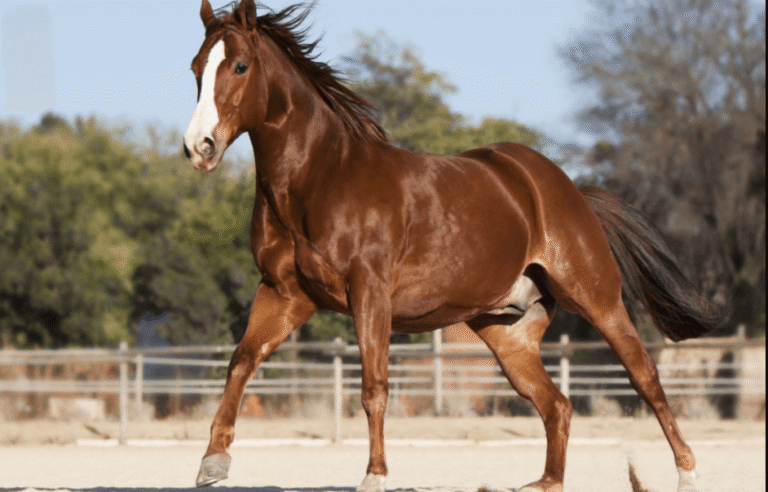
Breeding and early development play crucial roles in determining a racehorse’s potential for peak performance. Genetic traits inherited from lineage significantly influence physical attributes and temperament.
Additionally, early nutrition establishes a strong foundation, promoting optimal growth and health. The combination of these elements is essential for developing resilient athletes capable of excelling in competitive environments, granting them the freedom to achieve their fullest potential.
See also: How Racecourses Prepare for Major Events
Tailored Training Regimens for Optimal Performance
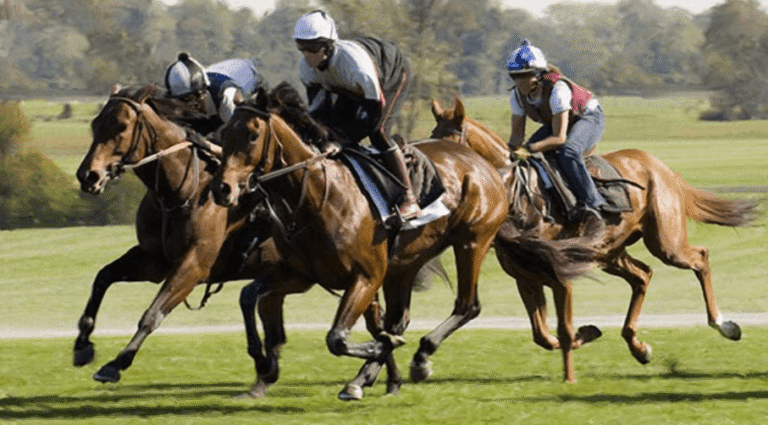
The foundation established during breeding and early development sets the stage for the implementation of tailored training regimens, which are critical in optimizing a racehorse’s performance.
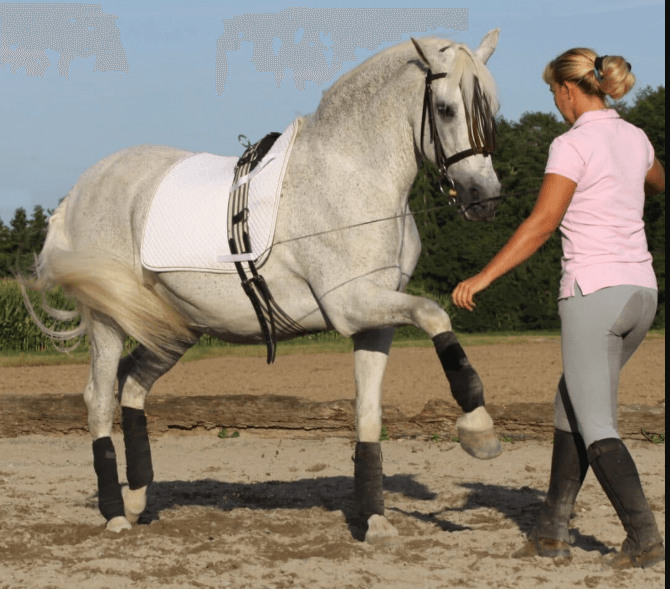
These regimens begin with a thorough fitness assessment, allowing trainers to identify strengths and weaknesses.
Nutritional strategies are then customized to support individual needs, ensuring that each horse achieves peak physical condition for optimal racing outcomes.
Mental Conditioning and Behavioral Training Techniques
Effective mental conditioning and behavioral training techniques play a pivotal role in enhancing a racehorse’s competitive edge.
Employing visualization techniques, trainers enable horses to mentally rehearse race scenarios, fostering confidence and focus.
Additionally, stress management strategies, such as controlled exposure to race environments, help mitigate anxiety.
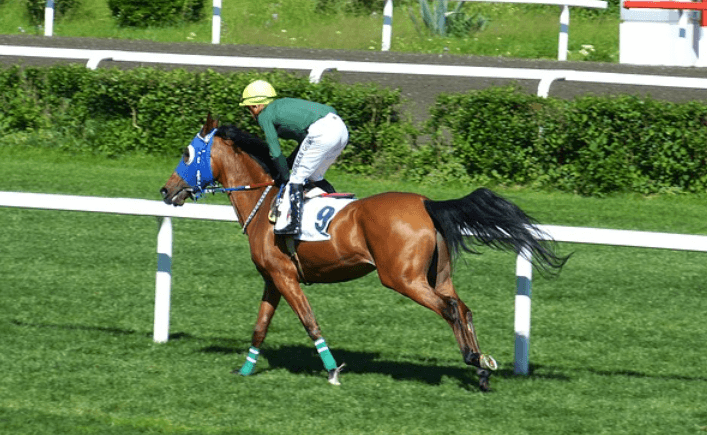
These methods collectively cultivate mental resilience, thereby optimizing performance in high-stakes racing situations.
Conclusion
In conclusion, the multifaceted approach to training racehorses for peak performance underscores the significance of breeding, individualized training regimens, and mental conditioning. Much like a finely tuned engine in a classic car, each component—genetics, nutrition, and psychological preparedness—works in harmony to optimize athletic capability. This meticulous strategy not only enhances the horse’s physical attributes but also equips them with the resilience necessary to excel in the high-pressure arena of competitive racing.